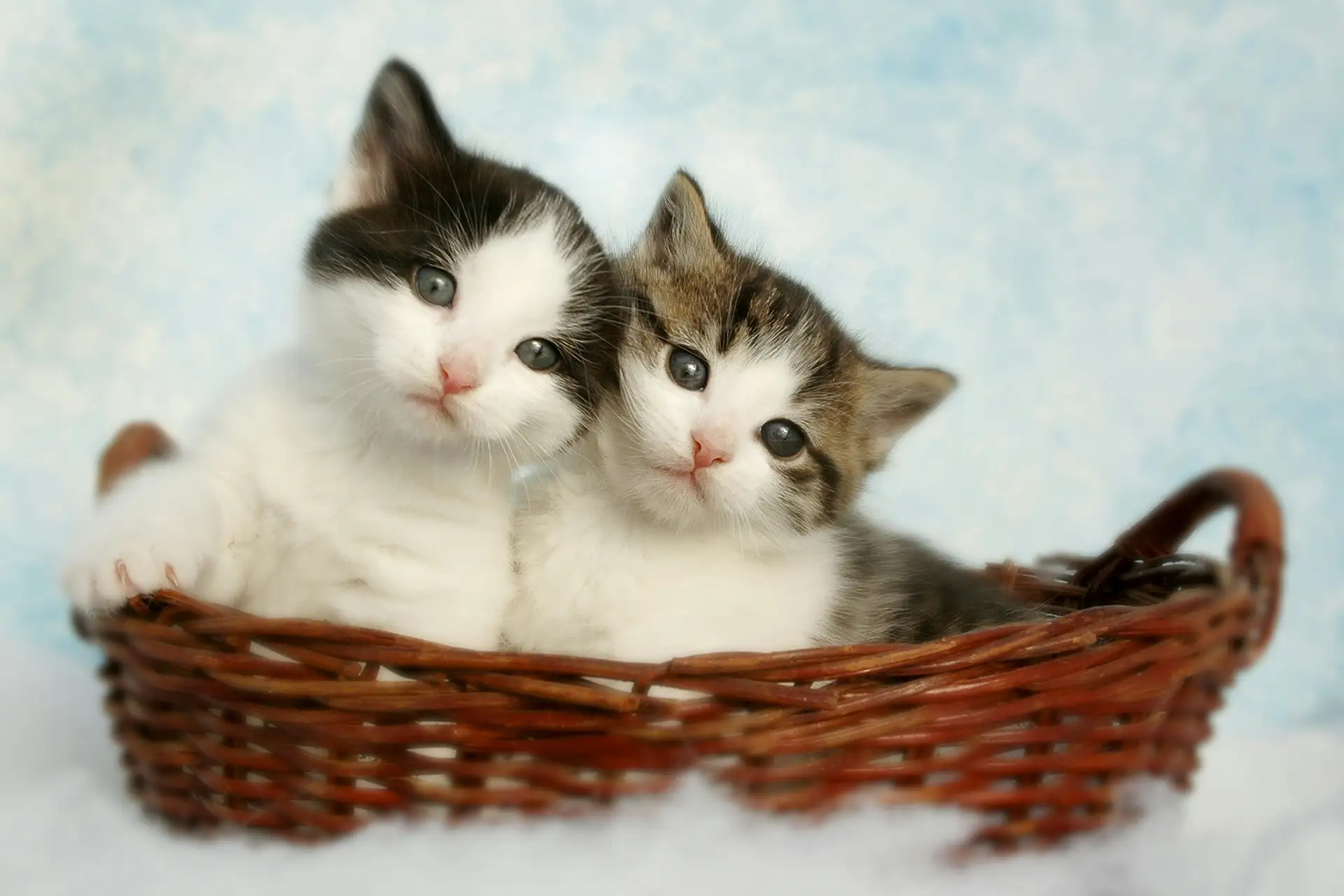
Bringing home a new kitten is exciting—there’s nothing quite like the playful energy, tiny meows, and endless curiosity of a young cat. But beyond the cuddles and fun, there’s important work to do. Proper kitten socialization helps ensure your pet grows into a friendly, confident, and well-adjusted adult cat.
Without early socialization, kittens may become fearful, shy, or even aggressive when faced with new people, pets, or environments. At Ermineskin Veterinary Hospital in Edmonton, we encourage owners to begin socialization as early as possible—ideally between 2 and 14 weeks of age, when kittens are most receptive to new experiences.
The Socialization Window
Kittens have a critical “sensitive period” for learning. During this time, they are naturally curious and less fearful of unfamiliar situations. Positive experiences during this phase help shape how they react to the world as adults.
While older cats can still learn, it is much easier to build confidence and adaptability when socialization begins early. Think of it as giving your kitten the tools they need for a lifetime of positive interactions.
Steps for Socializing Kittens
1. Introduce Gentle Handling
Start by handling your kitten daily—pick them up, touch their paws, look inside their ears, and gently open their mouth. This helps them become comfortable with being examined, making future vet visits and grooming much easier.
2. Expose to Different People
Invite friends or family members to interact with your kitten. Exposure to people of different ages, voices, and appearances reduces the likelihood of fear toward strangers later in life. Always supervise and ensure the interactions remain gentle and positive.
3. Encourage Play
Playtime builds confidence, strengthens your bond, and channels natural hunting instincts. Use wand toys, feather teasers, and balls to engage your kitten. Avoid using hands or feet as toys, as this can encourage biting and scratching.
4. Introduce Household Sounds
Vacuum cleaners, hair dryers, and doorbells can be frightening for cats if they’ve never heard them before. Expose your kitten gradually to everyday household noises. Pair the sounds with treats or play to create positive associations.
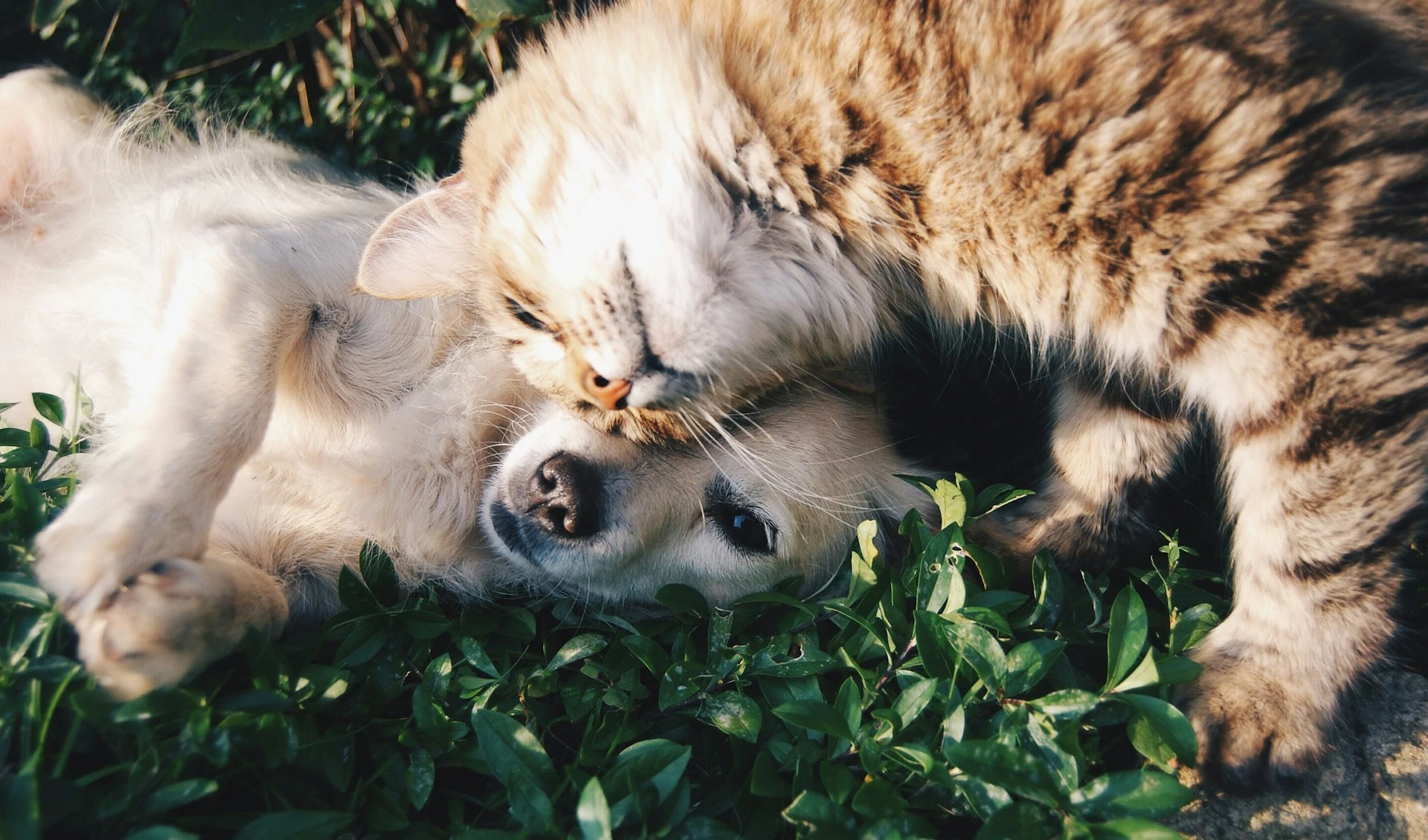
5. Socialize with Other Pets
If you have other pets, introduce them slowly and carefully. Use scent swapping (exchanging bedding or toys) before face-to-face meetings. Gradual introductions prevent stress and reduce the chance of aggression.
6. Carriers and Travel
Help your kitten view the carrier as a safe space. Leave it open with soft bedding and treats inside. Short car rides while young can also help reduce fear of travel and vet visits later in life.
Early Kitten Training
Socialization and training go hand in hand. Teaching kittens basic manners not only helps with behavior but also increases their confidence.
- Litter training: Most kittens learn quickly, but providing a clean, accessible box and rewarding success helps reinforce good habits.
- Scratching posts: Introduce posts early to encourage appropriate scratching behavior.
- Positive reinforcement: Use treats and praise to encourage desired behaviors. Cats respond best to gentle, reward-based training.
Want to read more about caring for a tiny furball? You can read more helpful information about kitten care at the RSPCA website here. PetMD is another great resource for info on kitten care. You can read their article on kitten socialization here.
Raising a Confident Cat
Socialization isn’t about overwhelming your kitten—it’s about building trust and positive associations. Confident cats are more adaptable, less stressed, and often healthier because they handle change better.
Here are a few long-term benefits of socialization:
- Less stress during vet visits and grooming.
- Better adaptability to new environments (such as moving homes).
- Improved interactions with visitors, children, and other pets.
- Reduced likelihood of behavior problems like aggression or fear-based hiding.
Common Mistakes to Avoid
- Moving too quickly: Introduce new experiences gradually. Overwhelming a kitten can backfire.
- Forcing interactions: Let your kitten approach at their own pace.
- Neglecting play: Play is more than fun—it’s vital for mental and physical development.
- Skipping vet visits: Early health exams and vaccinations are part of proper socialization and preventive care.
When to Seek Veterinary Guidance
Sometimes, despite your best efforts, a kitten may seem especially shy, fearful, or aggressive. This doesn’t mean socialization is impossible, but it may require a tailored plan.
At Ermineskin Veterinary Hospital, we can evaluate your kitten’s health and behavior, ruling out medical issues that may contribute to anxiety. We’ll also provide guidance on safe, effective socialization strategies suited to your pet’s unique personality.
Proper veterinary care is a crucial part of any kitty care routine. Your little buddy will need to come in a few times during that first year. Ask your vet for a recommended appointment schedule. (Click here to read our blog on taking your cat to the vet.)
FAQs About Kitten Socialization
When should I start socializing my kitten?
The ideal window is between 2 and 14 weeks of age, but socialization can and should continue throughout kittenhood and beyond.
Is it safe to socialize my kitten before vaccinations are complete?
Yes, but with precautions. Limit interactions to safe environments and healthy, vaccinated pets until your kitten is fully immunized.
How can I help my shy kitten become more confident?
Provide hiding spots, encourage play, and use treats to reward brave behavior. Patience is key—progress may be gradual.
What if my kitten doesn’t like being picked up?
Not all cats enjoy being held, but gentle, regular handling helps build tolerance. Respect your kitten’s limits and gradually increase comfort.
Do indoor-only cats still need socialization?
Absolutely. Even indoor cats benefit from exposure to different people, sounds, and experiences. It helps them feel secure and reduces stress at home.
Final Thoughts
Socializing kittens is one of the most valuable investments you can make in your pet’s future. With patience, consistency, and gentle guidance, you’ll raise a cat who is confident, friendly, and well-adjusted.
At Ermineskin Veterinary Hospital in Edmonton, AB, we’re here to support you every step of the way—from early kitten health exams and vaccinations to advice on training and behavior. Call us today to schedule your kitten’s first checkup and start them on the path to a happy, confident life.
Click here to visit our Service page, and learn more about our clinic and the animals we treat.
Disclaimer: This blog is for informational purposes only and is not a substitute for professional veterinary advice. Please consult your veterinarian for personalized recommendations for your pet’s health and behavior.